
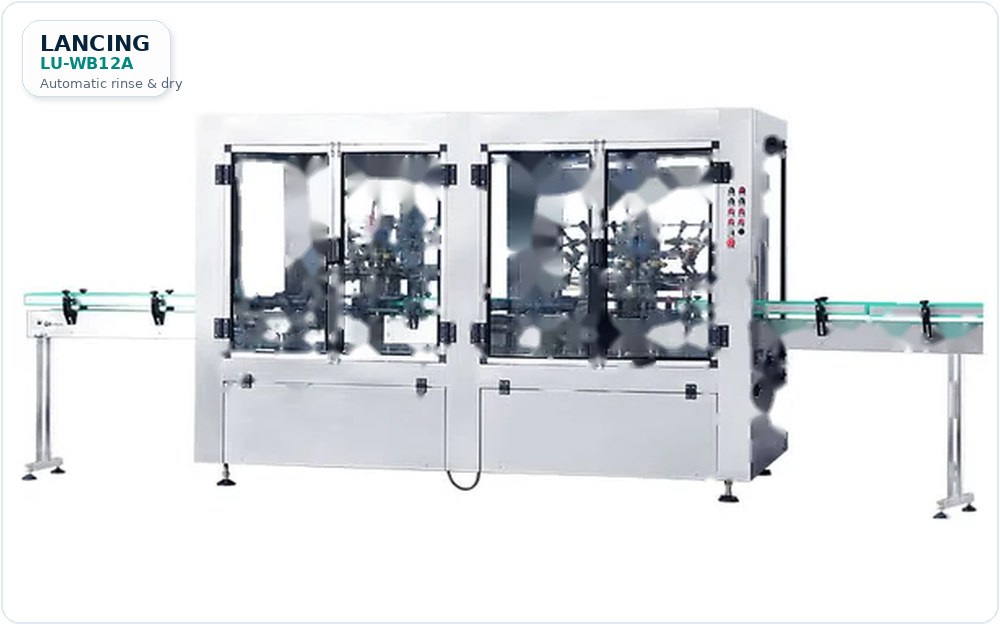
 Machine
Bottle rinsing machines
Compare automatic, semi-automatic, air, water and rinse-dry machinery routes.
Explore route →Acceptance testing should prove the bottle rinser can handle real containers at the agreed speed before full production starts.
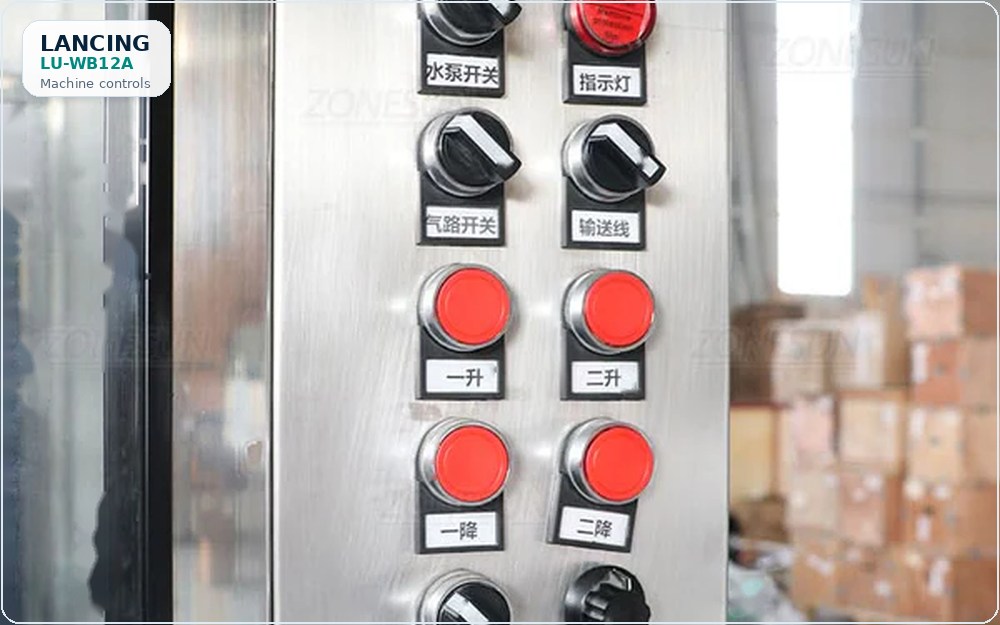
FAT checks can include bottle transfer, rinse function, controls, safety features and sample output before shipment.
SAT confirms that the installed machine works with conveyors, utilities, filler infeed and site operating conditions.
Testing should include agreed bottle sizes and any critical changeover points, not just one easy container.
Settings, maintenance points, cleaning routines and recommended spare parts should be reviewed before sign-off.
Machine
Compare automatic, semi-automatic, air, water and rinse-dry machinery routes.
Explore route → Guide
Guide
Compare dry air and wet water rinsing before choosing a route.
Explore route →
Guide
Information to collect before requesting a bottle rinser quotation.
Explore route →Early checks reduce the chance of buying equipment that cannot handle the bottle format, target output or line layout once installation starts.
Send bottle photos or samples, drawings if available, material, capacity, height, diameter, neck finish, target speed and a short description of the filling line.
Yes. A practical shortlist can normally be prepared once bottle details, utilities and the required rinse process are understood.
The factory acceptance test should prove the agreed machine functions under stated test conditions. The site acceptance test should then prove that the installed machine works with the site's utilities, conveyors, controls and production method. Neither test is complete if the result is only “machine ran”: the record should state the bottle format, rinse medium, test rate, duration, inspection method and any limitations or open actions.
Agree the acceptance criteria before the test. Representative formats should include the bottles most likely to challenge neck location, inversion, stability, drainage or changeover. Where the full format range cannot be run at FAT, the test plan should identify what is deferred to SAT and who is responsible for supplying the remaining bottles or change parts.
| Test item | Factory acceptance test | Site acceptance test | Evidence to retain |
|---|---|---|---|
| Bottle handling | Run agreed sample formats through loading, rinse presentation and outfeed. | Repeat with final infeed, outfeed and normal operator method. | Format list, settings, photos or video and observed handling issues. |
| Rinse result | Use the agreed particulate, water-contact or moisture inspection method. | Confirm the same result with site water or air and production handover conditions. | Test method, sample count or sampling approach, results and exceptions. |
| Sustained output | Run at the agreed test rate for the stated period and record interruptions. | Prove the accepted line rate with connected equipment and normal accumulation. | Start and finish times, count, stops, causes and final accepted rate. |
| Changeover | Demonstrate agreed format parts, settings and access. | Repeat with site operators and storage of removed parts. | Change-part list, settings sheet, tools and training actions. |
| Utilities and drainage | Confirm machine demand against the available factory test setup. | Verify electrical, air, water, extraction and drain connections at the installed location. | Connection details, observations and any measured site values recorded by the project team. |
| Stops and recovery | Demonstrate agreed alarms, safe stops and restart sequence. | Confirm recovery with the connected line and site procedure. | Alarm list, restart steps and unresolved actions. |
Link the test plan back to the bottle rinser URS, use the output guide to define a realistic rate and arrange sample testing before FAT where bottle handling or rinse performance is still uncertain.
Agree the sample formats, rinse method, inspection criteria, target rate, test duration, changeovers, utility assumptions and evidence to be recorded. This prevents the test being judged against unstated expectations.
The critical and representative formats should be identified in the test plan. If some formats cannot be run at FAT, record which checks are deferred to SAT and what samples or parts are still required.
SAT confirms the installed machine with the site's final utilities, conveyors, controls, operators and downstream handover. It closes the gap between a factory test setup and normal production conditions.
A smooth demonstration is not enough to show how the line behaves when a bottle, utility or surrounding machine is missing. Add the following challenge tests where they apply to the agreed machine scope.
FAT and SAT should include the approved pre-start/changeover record and the stop, start and fault-recovery sequence. This proves both the normal first-off bottle and the treatment of bottles caught inside the process after a planned or unplanned stop.
Retain the approved bottle formats, drawings, change parts, settings, utilities, software versions, test methods and results as the reference condition. A later change to the bottle, tooling, nozzle, utility, control logic, line speed or connected equipment should trigger a documented assessment of whether targeted or broader revalidation is needed.
Use the bottle-rinser revalidation and change-control guide to define the evidence after a change.