
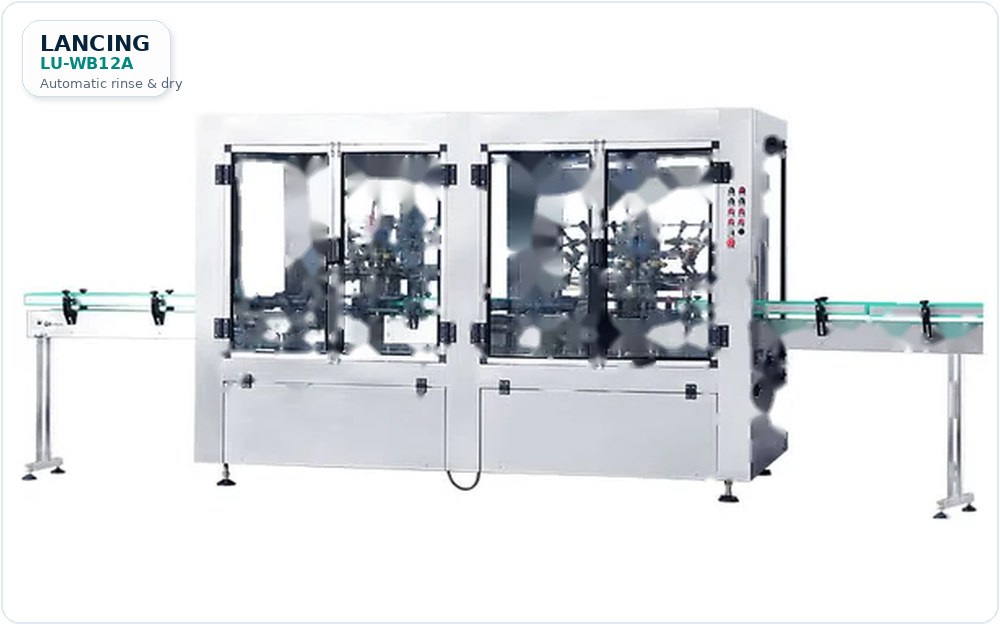
 Machine
Bottle rinsing machines
Compare automatic, semi-automatic, air, water and rinse-dry machinery routes.
Explore route →Water quality should be considered early when the bottle preparation process includes wet rinsing or washing.
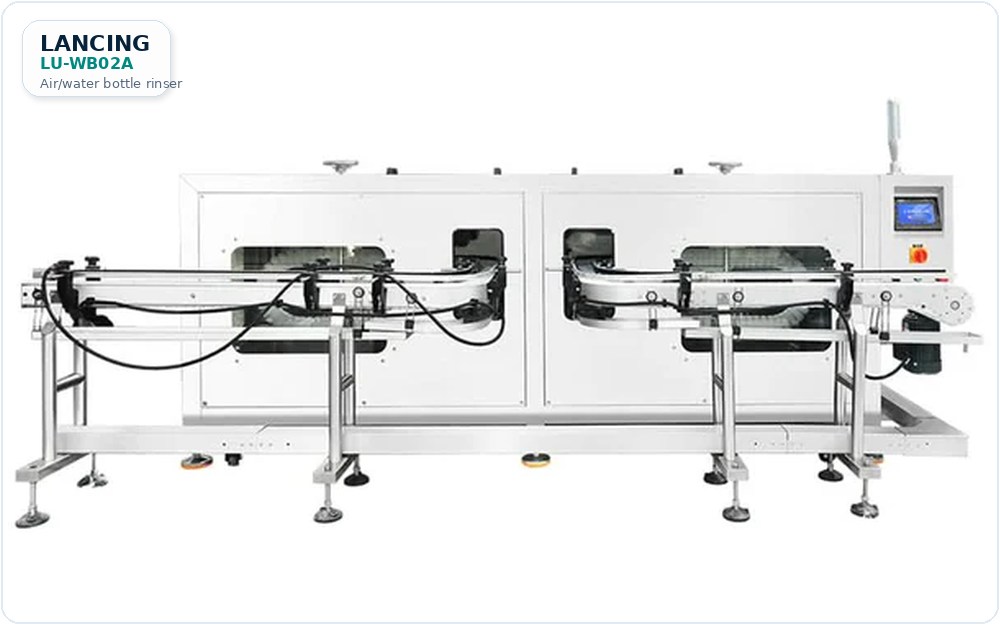
Rinse water can affect cleanliness, residue, scaling and maintenance requirements.
Some projects may need filtration, treatment or regular monitoring depending on the product and container expectation.
Drainage, water usage and recirculation strategy should be understood before installation.
If water remains in or on the bottle, drying equipment or extra dwell time may be required before filling or labelling.
Machine
Compare automatic, semi-automatic, air, water and rinse-dry machinery routes.
Explore route →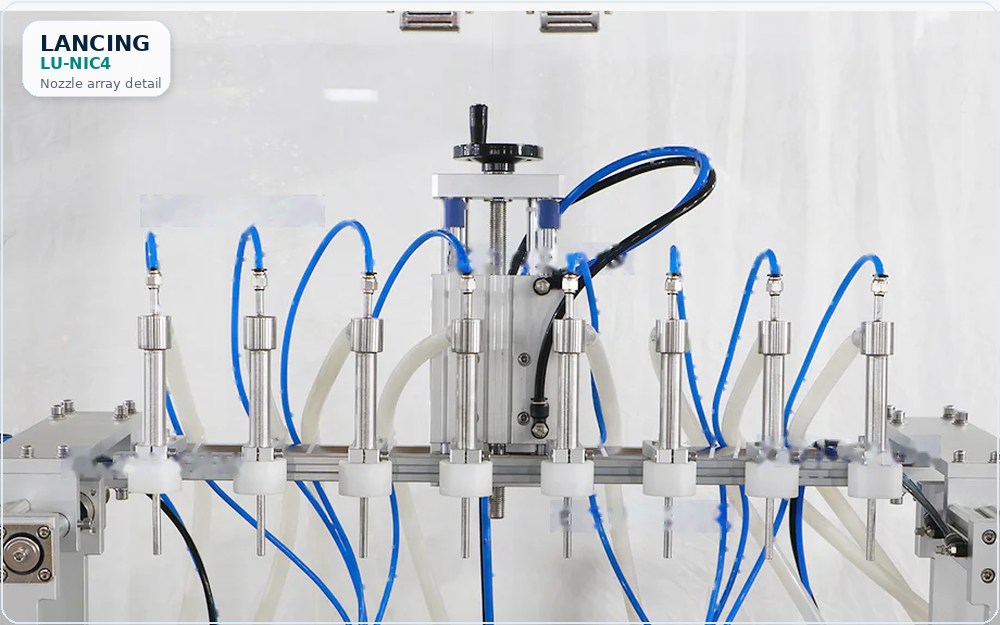 Guide
Guide
Compare dry air and wet water rinsing before choosing a route.
Explore route →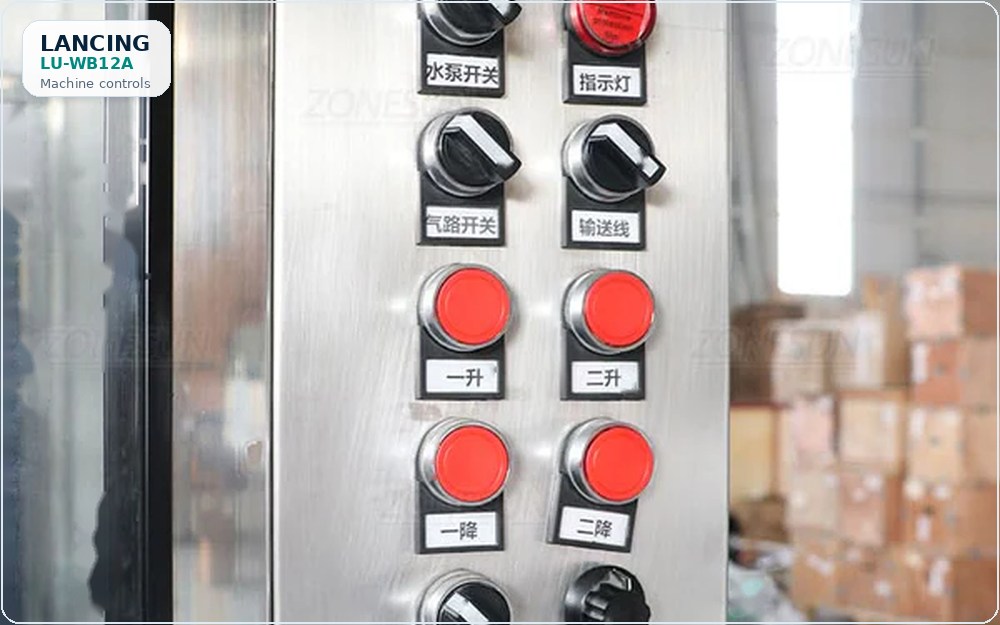 Guide
Guide
Information to collect before requesting a bottle rinser quotation.
Explore route →Early checks reduce the chance of buying equipment that cannot handle the bottle format, target output or line layout once installation starts.
Send bottle photos or samples, drawings if available, material, capacity, height, diameter, neck finish, target speed and a short description of the filling line.
Yes. A practical shortlist can normally be prepared once bottle details, utilities and the required rinse process are understood.
Water-rinse performance depends on the incoming water, where the water contacts the bottle, how it drains and whether residue can remain before filling or labelling. Use exact water-consumption figures only when they have been verified for the chosen configuration; otherwise collect the site and process information needed to calculate them.
| Check | How to validate it | Why it affects specification |
|---|---|---|
| Supply water | Record source, treatment expectation and available pressure or flow information. | Sets the boundary for the quote. |
| Contact area | Confirm whether internal neck, internal body, external surface or all areas need water. | Controls nozzle choice. |
| Wastewater route | Check drain position and site capacity. | Avoids installation delays. |
| Dryness requirement | Inspect after draining and before next process. | Decides whether rinse-dry is needed. |
The buyer should approve the required water condition at the rinser connection for the specific container, product and process. The machine review then considers how that water is delivered through tanks, pumps, pipework and nozzles, whether it is reused, how it drains from the bottle, and where wastewater leaves the equipment.
A satisfactory incoming supply does not by itself prove the condition at the nozzle or the bottle. Where the user's quality plan requires verification, agree sampling points, flushing condition, test method and responsibility. For recirculated arrangements, define how contamination build-up, filtration, change frequency and cleaning will be managed.
The wastewater planning guide covers the drain and site handover. The residual-moisture guide sets the downstream bottle-condition test.
Water may pass through storage, distribution, filters, hoses, tanks or recirculation equipment after the site's incoming supply. The project should therefore name the point at which water condition is specified and verified, the responsible team, the method used, and the action taken if the result falls outside the buyer's approved limit.
The record should also capture conditions that can change between samples: stagnation after shutdown, tank cleaning, filter change, temperature, recirculation, cross-connections, maintenance and the first flush after work is completed. These are process-management questions for the buyer's competent hygiene and quality team; the rinser supplier should provide enough access and documentation for the agreed control plan.
Use the filtration and point-of-use monitoring guide to define the utility boundary and the pre-start checklist to include water release after shutdown, maintenance or format change.