
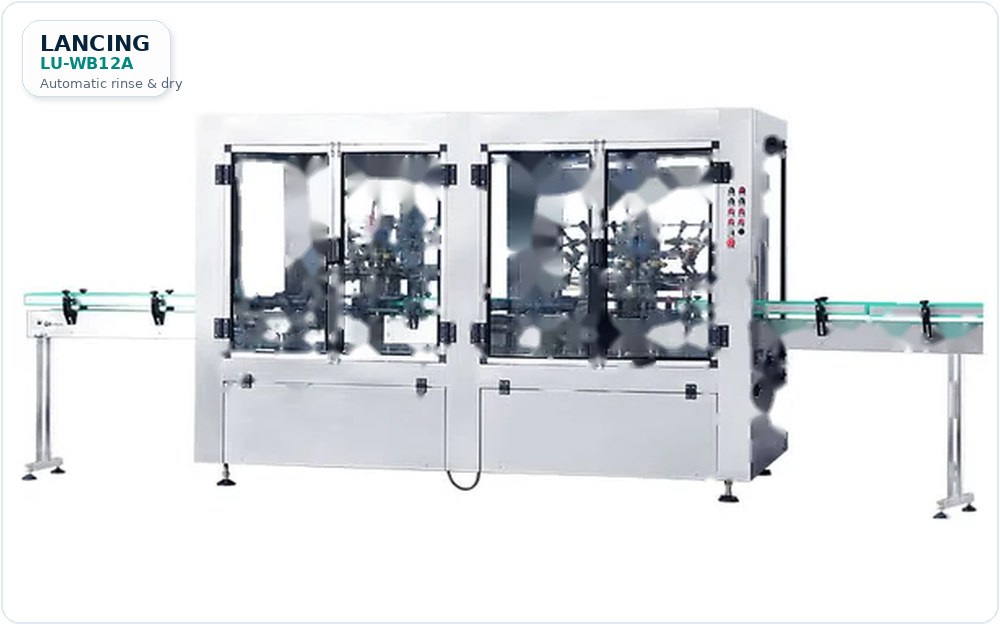
 Machine
Bottle rinsing machines
Compare automatic, semi-automatic, air, water and rinse-dry machinery routes.
Explore route →Air quality affects dry bottle rinsing performance and should be specified before an air rinser is installed.
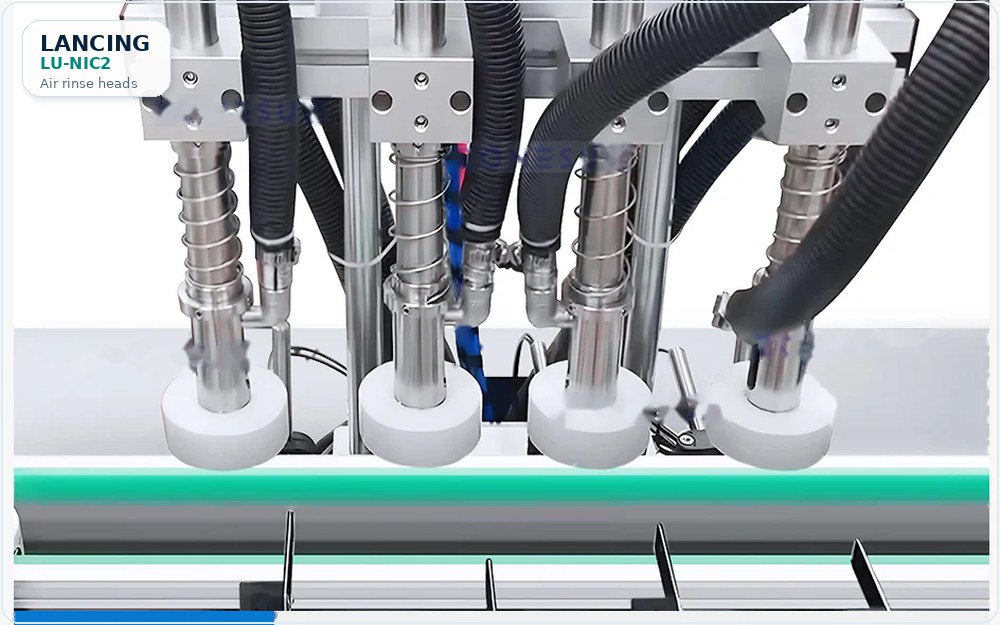
Pressure drops can reduce cleaning performance, especially when several nozzles operate at once.
Dry, filtered air is important where the process is intended to avoid adding moisture or contamination to the bottle.
Ionised air may help where static holds particles inside plastic containers.
Confirm compressor capacity, filtration, pipework and connection points before finalising the equipment route.
Machine
Compare automatic, semi-automatic, air, water and rinse-dry machinery routes.
Explore route →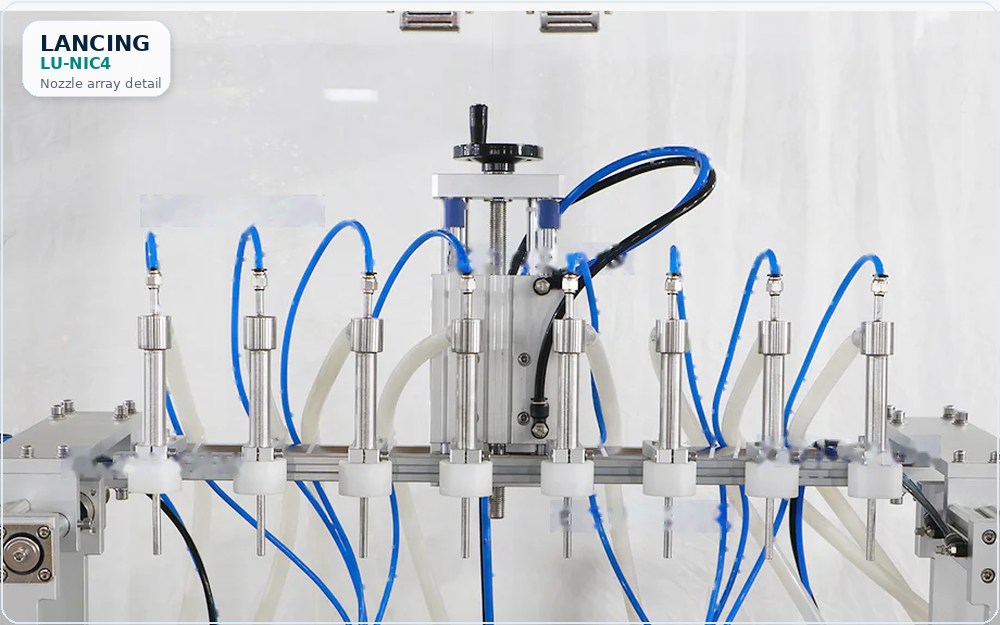 Guide
Guide
Compare dry air and wet water rinsing before choosing a route.
Explore route →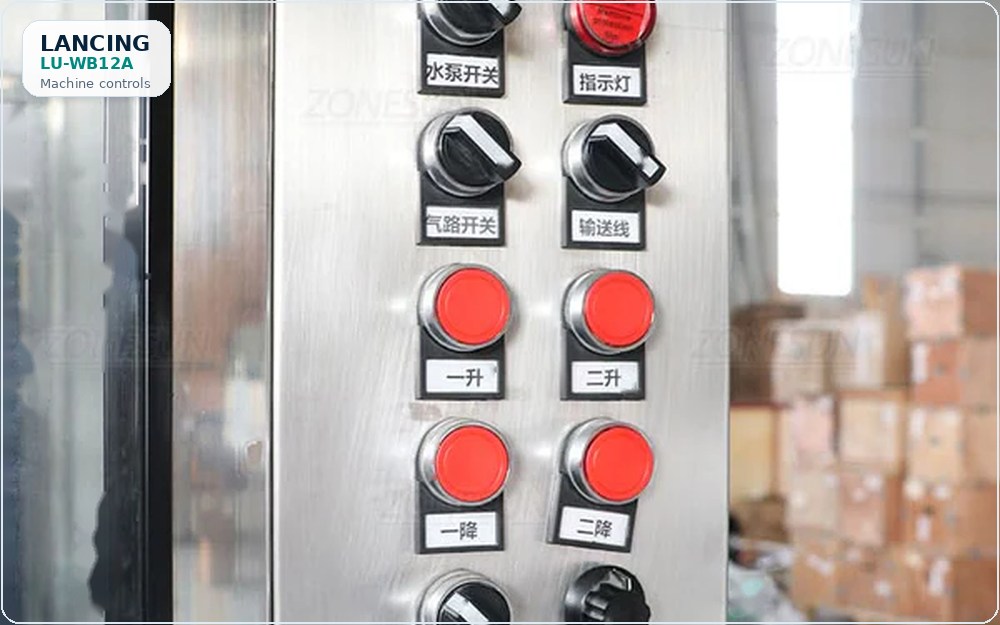 Guide
Guide
Information to collect before requesting a bottle rinser quotation.
Explore route →Early checks reduce the chance of buying equipment that cannot handle the bottle format, target output or line layout once installation starts.
Send bottle photos or samples, drawings if available, material, capacity, height, diameter, neck finish, target speed and a short description of the filling line.
Yes. A practical shortlist can normally be prepared once bottle details, utilities and the required rinse process are understood.
Air rinsing can only perform well when the supply, filtration, pressure stability, nozzle arrangement and debris management are suitable. If particles are static-held, an ionised-air trial may be appropriate, but the decision should be based on the actual container and particle behaviour.
| Check | How to validate it | Why it affects specification |
|---|---|---|
| Air filtration | Confirm the required air quality with the production or quality team. | Prevents air from adding moisture or debris. |
| Pressure and volume | Check the site supply and any competing air users. | Avoids weak or inconsistent rinse performance. |
| Ionisation | Test against static-held particles on sample bottles. | Decides whether ionised air is useful. |
| Exhaust/debris path | Plan where removed material goes. | Keeps particles away from open containers. |
ISO 8573-1 classifies compressed-air purity with respect to particles, water and oil. It is a framework for agreeing air condition, not a universal instruction that every bottle rinser needs the same class. The buyer's product, quality system, contamination risk and point of use determine the appropriate requirement.
Record where pressure and air quality are measured. A compressor-room result may not represent the condition after long pipe runs, drops, local hoses and filtration. Check demand while other plant equipment is operating and include pressure loss across treatment components. Condensate management and maintenance access should be part of the installation review.
After the air enters the bottle, the project still needs to prove where particles go. Use the extraction and debris-capture guide to define the full path and the contamination risk guide to set the challenge sample.
Authoritative reference: ISO 8573-1:2010 compressed-air contaminants and purity classes.
A compressor-room specification does not by itself prove the air condition at the bottle-rinser nozzle. The documented boundary should include the distribution branch, receiver where relevant, dryer, filters, drains, hoses, local regulator and the point used for sampling or verification. This makes the result repeatable after maintenance or a filter change.
ISO 8573-1 classifies compressed-air purity for particles, water and oil, but the required class and measurement plan must be selected for the actual process. Record the agreed requirement, test location, normal pressure/flow condition, instrument or laboratory method, result, date and action if the condition is not met. Also define how condensate drains, bypasses and filter indicators are checked so the accepted route cannot be unknowingly defeated.
The new filtration and point-of-use monitoring guide provides a combined record for air and water utilities. For the bottle test itself, use the nozzle coverage guide.