
 Related
Bottle rinsing machines
View the main machinery routes.
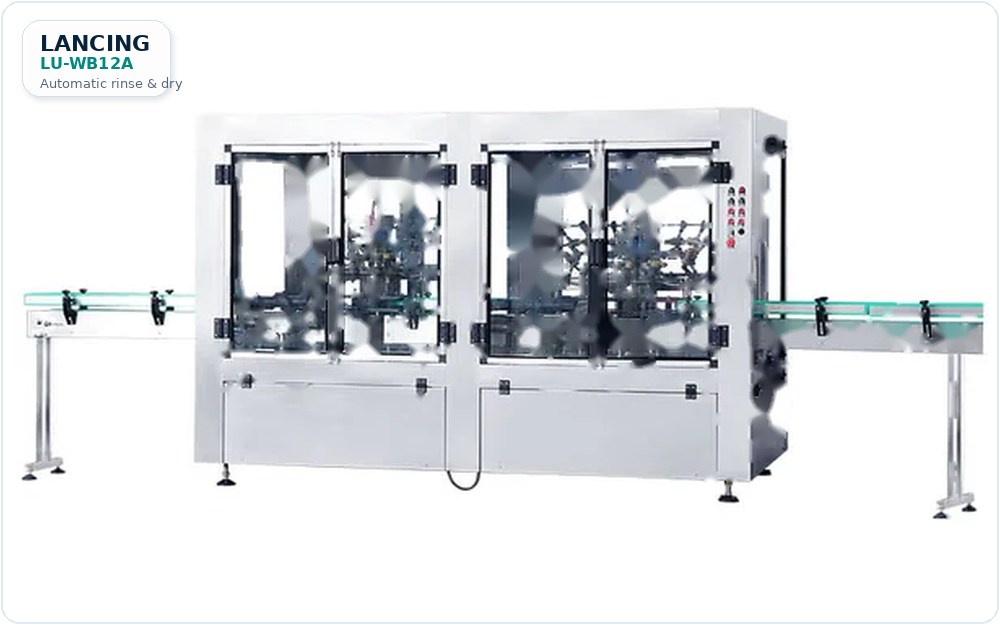
Explore route →Bottle rinser specification support for UK buyers selecting air, water, rotary, semi-automatic or automatic bottle rinsing machinery.
Bottle rinser specification support is aimed at buyers needing help before choosing a machine. The goal is to reduce the risk of buying a bottle rinser that cleans the container but does not physically fit the line, match the output or connect to the available utilities.
The work starts with bottle details, rinse method, output and utility checks and continues through route selection, layout checks, site readiness and the details needed for a clear quotation.
The intended outcome is a route that can be quoted, installed and commissioned with fewer assumptions. For bottle rinser specification, that means checking the bottle handling, rinse process, utilities and integration points before the final machine is confirmed.
Send the bottle details, photos and line layout through the enquiry form. Include any known constraints such as low ceiling height, limited drainage, compressed air capacity or downstream equipment that cannot be moved.
These checks help match the rinser to the bottle, line speed and filling environment.
| Check | Why it matters | Send with enquiry |
|---|---|---|
| Bottle format | Shape, weight and neck finish affect stability, access and change parts. | Photos, drawings or samples |
| Rinse method | Air, water and rinse-dry routes need different utilities and machine layouts. | Cleaning requirement and contamination risk |
| Output target | The rinser must keep pace with the filler without starving or flooding the line. | Bottles/minute or bottles/hour |
| Integration | Conveyor height, space and downstream transfer can decide the practical route. | Line photos or layout sketch |
RelatedView the main machinery routes.
Explore route →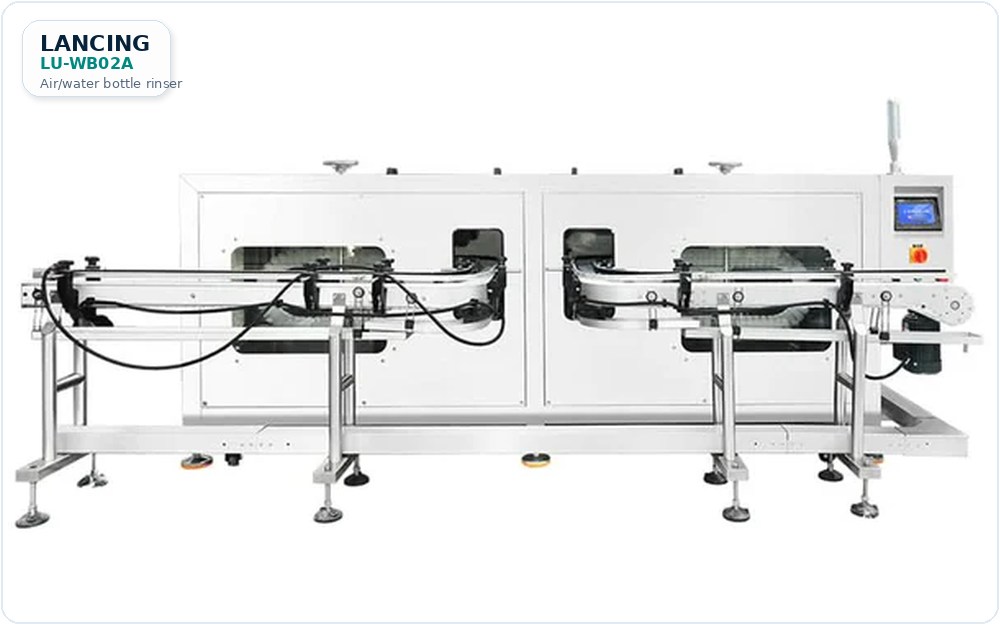 Related
Prepare line and space information.
Explore route → Related
Send bottle and line details.
Explore route →Bottle rinser specification can include reviewing bottle details, utilities, layout, integration points and the handover checks needed for production readiness.
Bottle samples or accurate drawings are strongly recommended because stability, neck access and change parts are easier to check before installation.
Yes, but the existing conveyor height, filler infeed, available space, utilities and guarding requirements should be checked before confirming the machine route.