
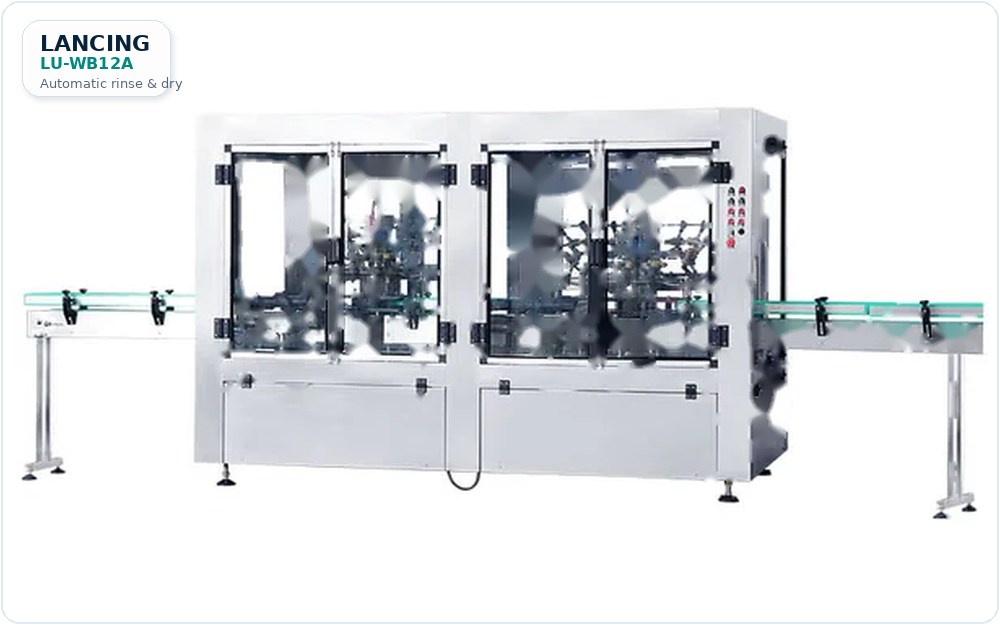
 Machine
Bottle rinsing machines
Compare automatic, semi-automatic, air, water and rinse-dry machinery routes.
Explore route →Most bottle rinsing problems come from bottle stability, utility variation, poor changeover or mismatched line speeds.
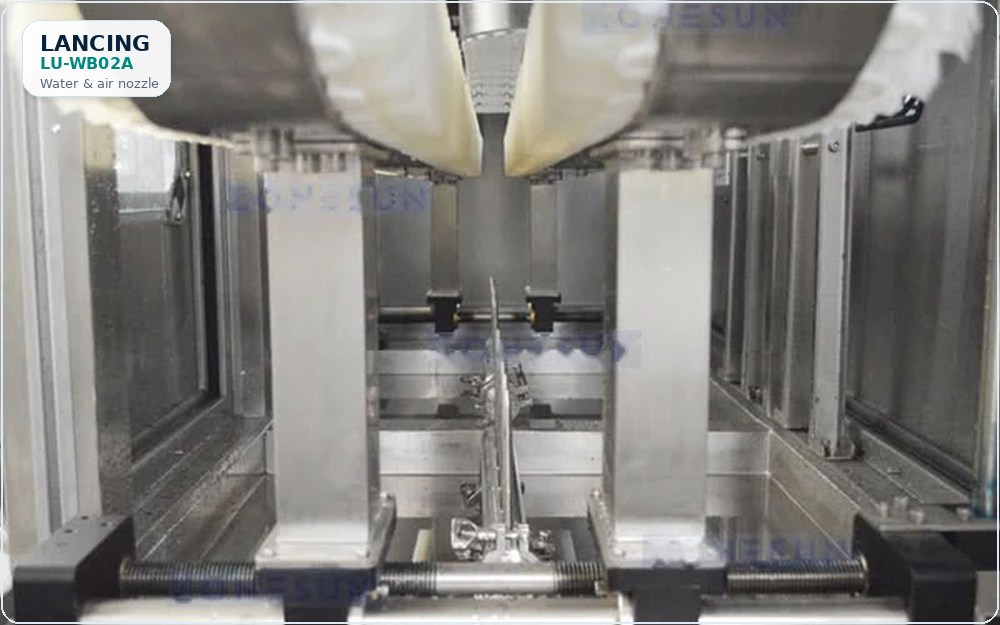
Check guide settings, conveyor speed, bottle base stability and transfer timing before changing rinse settings.
Nozzle position, bottle orientation, pressure and dwell time should be checked against the bottle geometry.
Drain time, air drying, bottle shape and downstream spacing should be reviewed when bottles remain too wet.
Rinser speed should be balanced with filler and capper speed so accumulation does not cause repeated stoppages.
Machine
Compare automatic, semi-automatic, air, water and rinse-dry machinery routes.
Explore route →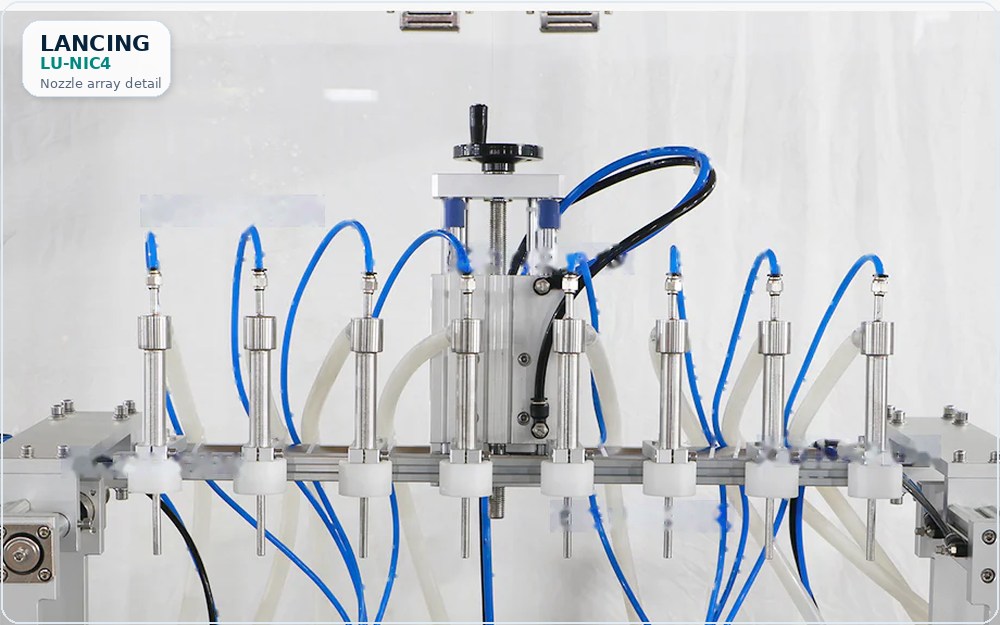 Guide
Compare dry air and wet water rinsing before choosing a route.
Explore route → Guide
Information to collect before requesting a bottle rinser quotation.
Explore route →Early checks reduce the chance of buying equipment that cannot handle the bottle format, target output or line layout once installation starts.
Send bottle photos or samples, drawings if available, material, capacity, height, diameter, neck finish, target speed and a short description of the filling line.
Yes. A practical shortlist can normally be prepared once bottle details, utilities and the required rinse process are understood.