
 Related
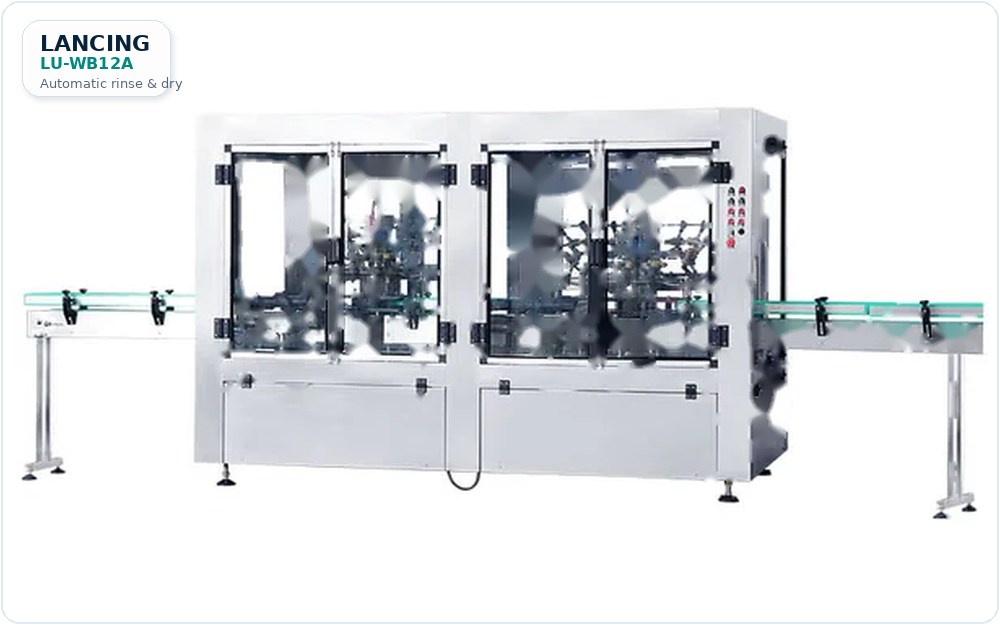
Automatic bottle rinsers
Inline machines for higher-output lines.
Explore route →Compare automatic and semi-automatic bottle rinsers for speed, operator handling, changeover, utilities and line integration.
This guide focuses on automatic vs semi automatic bottle rinser. The best answer depends on the exact bottle format, the reason for rinsing, the target output and the line equipment around the rinser. A bottle rinser that works well in one line can struggle if the bottle is lighter, taller, unstable or needs a different rinse method.
Compare the operator-loading method and achievable batch rate of a semi-automatic route with the conveyor transfer, sustained output and line interfaces of an automatic route. Include format-change frequency, available working space and the labour needed to keep bottles moving; confirm the comparison with the actual bottles and connected filler.
The most common mistake is choosing by price or machine name before proving the bottle handling. Start-up lines, growth projects and high-output filling lines can change the specification because stability, bottle opening, rinse dwell time and conveyor transfer all affect real production performance.
Another common issue is ignoring the downstream equipment. The rinser must not only clean the bottle; it must present it to the filler, capper or labeller at a speed and condition that the rest of the line can accept.
Send bottle dimensions, photos, target output and a short description of the current line. Lancing can then compare automatic and semi-automatic routes against the bottle and line constraints before suggesting the most suitable bottle rinsing route.
These checks help match the rinser to the bottle, line speed and filling environment.
| Check | Why it matters | Send with enquiry |
|---|---|---|
| Bottle format | Shape, weight and neck finish affect stability, access and change parts. | Photos, drawings or samples |
| Rinse method | Air, water and rinse-dry routes need different utilities and machine layouts. | Cleaning requirement and contamination risk |
| Output target | The rinser must keep pace with the filler without starving or flooding the line. | Bottles/minute or bottles/hour |
| Integration | Conveyor height, space and downstream transfer can decide the practical route. | Line photos or layout sketch |
RelatedInline machines for higher-output lines.
Explore route →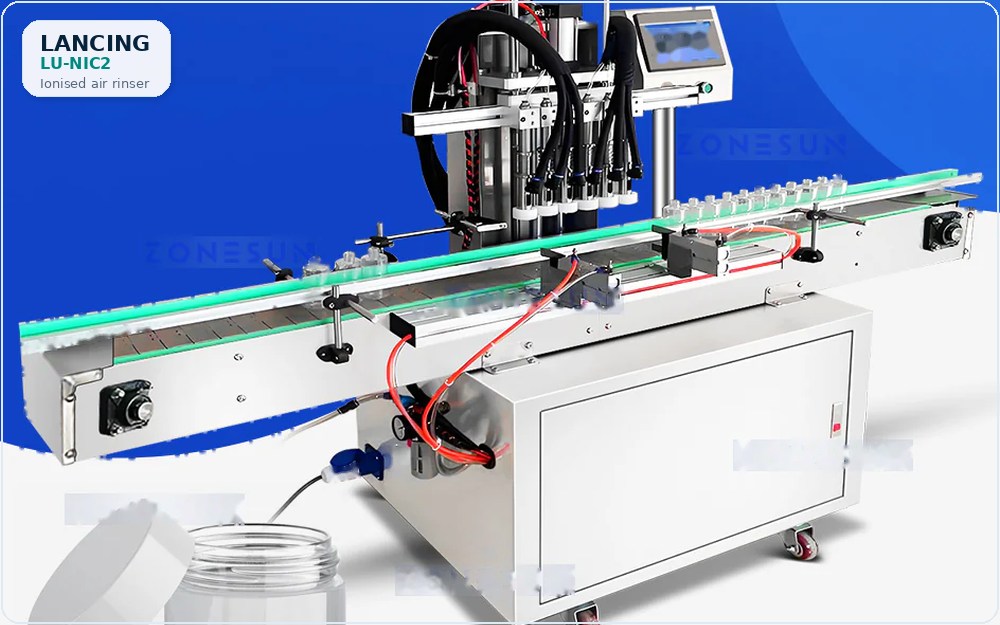 Related
Dry bottle cleaning before filling.
Explore route →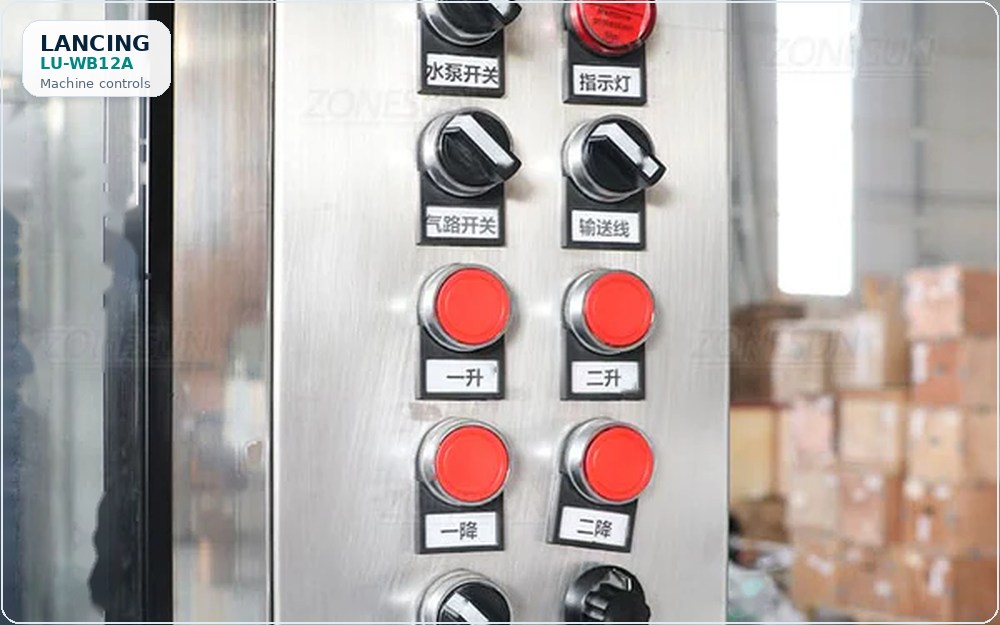 Related
Get specification support for your line.
Explore route →The automation level affects operator handling, achievable output, changeovers and the connection to the filling line. Compare both routes using the same bottle formats, rinse requirement and utility information.
Send bottle photos, dimensions, material, neck finish, target speed, available utilities and details of the filler, capper or labeller connected to the line.
Yes. The enquiry can be reviewed against the bottle format, line speed, utilities and integration details before a practical shortlist is suggested.