
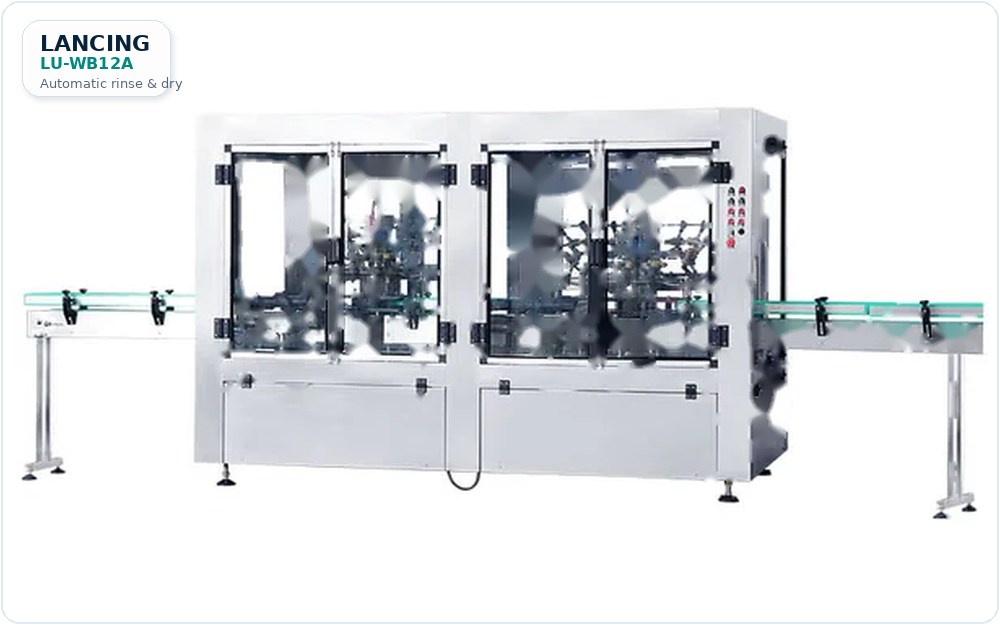
 Machine
Bottle rinsing machines
Compare automatic, semi-automatic, air, water and rinse-dry machinery routes.
Explore route →Contract packers need bottle rinsing equipment that can handle product variety, frequent format changes and mixed line requirements.
Contract packing lines often run different bottle sizes and product categories, so change parts, guide adjustment and recipe notes should be planned carefully.
The chosen rinser may need to support beverages, cosmetics, household products or food lines, which makes contamination risk and cleaning method important.
Bottle rinsing choices should be documented clearly so end customers understand the preparation route used on their project.
A flexible rinser route can help a contract packer quote more jobs, but the machine still needs realistic bottle range limits.
Machine
Compare automatic, semi-automatic, air, water and rinse-dry machinery routes.
Explore route →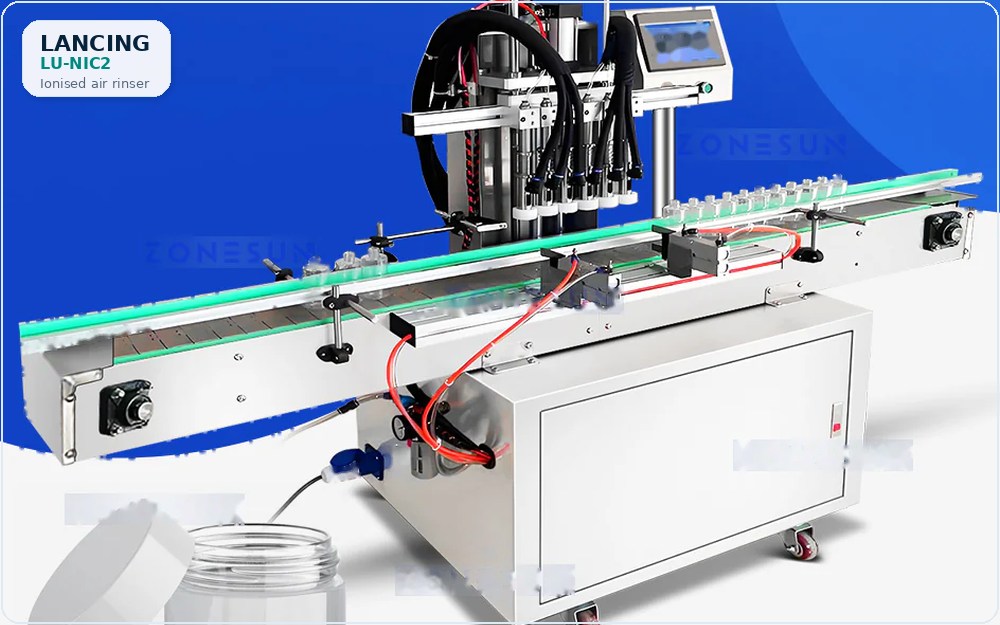 Machine
Dry internal bottle cleaning using filtered or ionised air.
Explore route →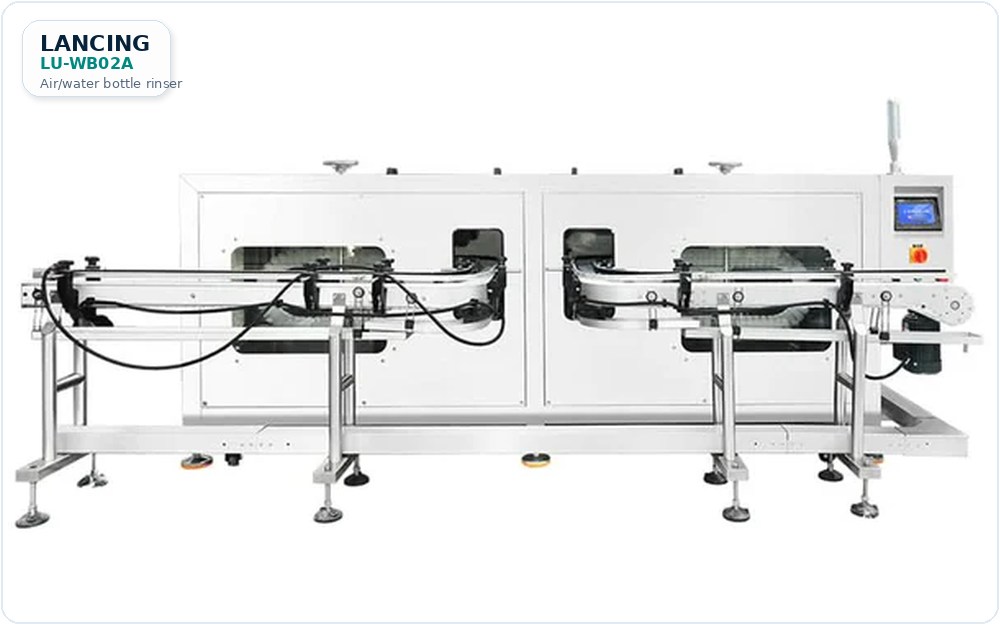 Machine
Wet rinsing routes for containers that need a liquid wash step.
Explore route →Bottle dimensions, neck finish, material, label area, stability and target output are the main details needed to confirm the correct rinser route.
Air rinsing is normally considered for loose dust and dry particles, while water washing is considered when a wet rinse is required. The product, container and hygiene expectation decide the route.
It may be possible, but every size should be checked for changeover parts, guides, grippers, nozzles and line speed so the machine is specified correctly.
A contract-packing brief benefits from a format register that separates established jobs from prospective work. For each current bottle, identify the rinse route, settings, change parts and agreed release checks. Keep a new client format outside that accepted set until its handling and preparation requirements have been reviewed.
Plan how the line is cleared between client runs. Include residual bottles, rinse settings, records and any materials associated with the previous job. A clear handover makes it easier to quote the setup work for a short batch without treating changeover as free production time.
No. Compare the new bottle and required treatment with the accepted range, then identify any sample assessment or change parts needed.